
The Best Turf for Shady Lawns: A Brisbane & Gold Coast Guide

1 September 2025
Many homeowners in South East Queensland struggle to grow healthy lawns in areas shaded by large trees, fences, or buildings. These shady spots make it challenging for most turf varieties, including shade-tolerant grasses, to thrive, often resulting in thin or patchy grass.
This guide is designed to help you select the best shade-tolerant turf for your shady yard. By understanding your lawn’s unique conditions and choosing the right grass variety, you can achieve a lush, green lawn even in less-than-ideal sunlight.
How Much Sun Does Your Shady Spot Actually Get?
Types of Shade
- Dappled Shade: Sunlight filters through tree leaves, creating a shifting pattern of light and shade. Plants here get brief periods of direct sun throughout the day, but not continuous exposure.
- Partial Shade: This area receives between 3 to 6 hours of direct sunlight per day, often in the morning or late afternoon. The rest of the day, it is shaded.
- Deep Shade: These spots get less than 3 hours of direct sunlight daily, with dense tree cover or buildings blocking most of the sun.
How to Measure Sunlight in Your Yard?
To determine which type of shade you have, observe your yard and record how many hours of direct sunlight each area receives during a typical day. Check several times throughout the day, especially during peak sunlight hours. Another handy tip is to take a photo every hour of the area, that way you can flick back through the images and count!
Why This Matters for Turf Selection?
The number of hours of direct sun your shady spot receives is the most important factor when choosing the right turfgrass. Different grasses thrive in different light conditions, so matching your turf choice to your yard’s sunlight is key for a healthy, lush lawn.

The Top Turf Varieties That Thrive in Shade
When it comes to shady lawns, choosing a turf variety that matches your yard’s sunlight conditions makes all the difference. Some grasses are better suited to low-light areas than others. Here are the leading turf varieties for shade, grouped by their sunlight needs:
- Zoysia: Known for its shade tolerance, Zoysia can thrive with as little as 3 hours of direct sunlight per day. It’s ideal for areas that receive filtered or partial sun.
- Soft Leaf Buffalo: This variety performs well in moderate shade, needing around 3–4 hours of direct sunlight daily. It’s hardy and maintains good coverage in low-light spots.
By selecting a turf variety that matches your yard’s sunlight exposure, you’ll set your lawn up for success—even in the shadiest areas.
Sir Walter DNA Certified Buffalo
- Sir Walter is one of the best turf choices for shady lawns in Brisbane and the Gold Coast. Its broad, soft leaves help it capture limited light, while its hardy nature allows it to withstand wear and tear from active families and pets.
- Sir Walter only needs 3 or more hours of direct sunlight per day, making it ideal for spots under trees or beside buildings where sunlight is limited. This makes it a reliable, low-maintenance solution for lush green lawns in challenging, shaded environments.

Sir Grange Zoysia
- Sir Grange Zoysia is a premium turf variety, known for its fine blade and luxurious appearance. It thrives with just 3 to 4 hours of direct sunlight per day, making it well-suited to lawns with partial shade.
- Sir Grange is incredibly low maintenance—requiring less mowing, fertilising, and water than many other turf types. This makes it an excellent choice for manicured lawns where a pristine, high-end look is desired, even in areas where sunlight is limited.

Platinum Zoysia & Zoysia Australis
- Platinum and Australis Zoysia are balanced all-rounder turf varieties that perform well in a wide range of conditions. They combine good shade tolerance with durability, making them a reliable choice for most suburban yards.
- Both varieties require around 4 to 5 hours of direct sunlight each day to thrive. Their ability to handle partial shade, along with moderate wear and tear, makes them ideal for suburban lawns that receive a mix of sun and shade throughout the day.
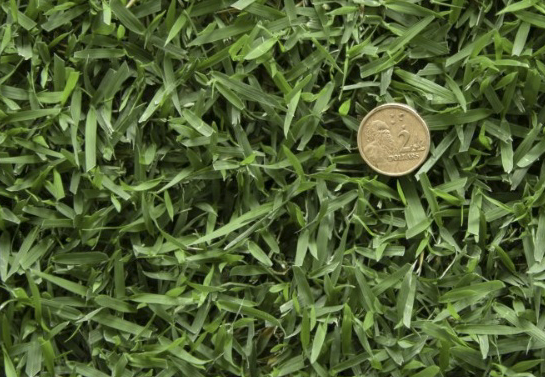
At a Glance: Comparing Shade-Tolerant Turf
Here’s a quick comparison of the top shade-tolerant turf varieties, helping you see which grass might best suit your yard’s sunlight and use:
Sir Walter DNA Certified Buffalo
- Sun Requirement: 3+ hours
- Features: Broad leaf, hardy, low maintenance
- Ideal Use: Family yards, under trees
Sir Grange Zoysia
- Sun Requirement: 3–4 hours
- Features: Fine blade, premium look, low maintenance
- Ideal Use: Manicured lawns, partial shade
Platinum & Australis Zoysia
- Sun Requirement: 4–5 hours
- Features: Balanced all-rounders, durable
- Ideal Use: Suburban yards with partial shade
This overview will help you quickly match the right turf variety to your lawn’s unique conditions.
Caring for Your Lawn in the Shade: 3 Keys to Success
Maintaining a lawn in the shade requires a different approach than caring for grass in full sun. Because shaded areas receive less light, the turf may grow more slowly and face greater challenges from moisture and pests. Focusing on a few essential care strategies will help your shade tolerant lawns stay healthy and green, even in low-light conditions. Here are three keys to success for shaded lawns:
- Ensure you select the best turf variety for your shaded area.
- Ensure you regularly feed & water your turf to ensure it is happy and healthy!
- Ensure to apply insecticides to protect your turf from pests like Lawn Grubs!
Mow Higher to Maximise Sunlight
Mowing your lawn higher in shady areas allows the grass blades to capture more sunlight, which is essential for photosynthesis. Taller grass has a larger leaf surface, helping it produce the energy it needs to grow strong, even with limited light.
- Set your mower to leave the grass slightly longer than usual—aim for at least 40mm—so your turf can make the most of the available sunlight.
Water Deeper, Not More Often, to Avoid Disease
Shady lawns tend to stay damp longer since less sun reaches the ground, making them more prone to fungal diseases.
Watering deeply but less frequently encourages grass roots to grow deeper and helps the soil dry out between waterings, reducing the risk of disease.
Give your shady lawn a thorough soak once or twice a week, rather than light, frequent sprinklings. This keeps roots healthy while minimising excess moisture that can lead to fungus.
Prune Trees to Let in More Light
Pruning trees and shrubs around your lawn allows more sunlight to reach the grass beneath, which is vital for healthy growth in shady areas.
Increased light helps turf grow thicker, stronger, and more resilient against disease.
Trim back low-hanging branches and thin out dense foliage to let in as much natural light as possible. Regular pruning makes a noticeable difference in the health and vigour of your shady lawn.
Warning: These Sun-Loving Grasses Will Fail in the Shade
Some turf varieties simply aren’t suited to shady spots.
TifTuf Bermuda and Nullarbor Couch are two popular sun-loving grasses that require at least 5 to 7 hours of direct sunlight daily.
In shaded areas, these varieties will become thin, patchy, and unhealthy because they can’t get the light they need for strong growth.
Avoid planting TifTuf or Nullarbor in shady parts of your yard—these grasses will struggle and ultimately fail without sufficient sunlight.
Get a Personalised Recommendation for Your Shady Lawn
Choosing the right turf for shady areas is essential to achieving a healthy, green lawn in Brisbane and the Gold Coast.
By understanding your yard’s unique sunlight conditions and selecting a shade-tolerant variety, you can avoid common problems and enjoy beautiful grass even under trees or beside buildings.
For the best results, get advice tailored to your yard’s specific needs. Contact us today for a personalised turf recommendation and expert guidance—so you can have a lush, thriving lawn no matter how much shade you have!