
How Can I Improve the Soil Quality of My Lawn?
30 June 2025
5 Signs Your Lawn Soil Needs Help
Before you can fix the problem, you need to spot it. Here are some common signs we see across Gold Coast and Brisbane lawns that indicate poor soil health:
- Water Pooling: Water sits on the surface after rain instead of soaking in, indicating compaction.
- Hard Ground: The ground feels hard underfoot, and it’s difficult to push a screwdriver into the soil, also a sign of compaction.
- Patchy, Thinning Grass: Despite watering and feeding, your grass struggles to grow thick and lush, often a sign of nutrient deficiency or poor root penetration.
- Excessive Weeds or Moss: Certain weeds (like clover) thrive in low-nutrient soil, while moss can indicate compaction and drainage issues.
- Rapid Drying: Your lawn turns brown at the first sign of a dry spell, indicating poor water retention, common in sandy soils.
The Importance of Soil Quality for a Healthy Lawn
Healthy soil is a living foundation, providing your grass with essential nutrients and root support while creating a thriving ecosystem rich in organic matter and beneficial microbes.
One of the key benefits of high-quality soil is improved water retention. Well-aerated soil allows for better absorption and storage of water, which helps reduce the frequency of watering and protects the lawn during dry spells.
Additionally, healthy soil can significantly reduce the need for chemical fertilisers and pesticides. When the soil is balanced and thriving, grass becomes more robust and better able to fend off pests and diseases naturally. This leads to a more sustainable approach to lawn care and promotes an environmentally friendly outdoor space. Overall, investing in soil quality is essential for achieving a vibrant and thriving lawn.
Assessing Your Lawn’s Current Soil Quality
Here is a deep dive of lawn assessment. Without this assessment, you might miss underlying problems that could undermine your efforts.
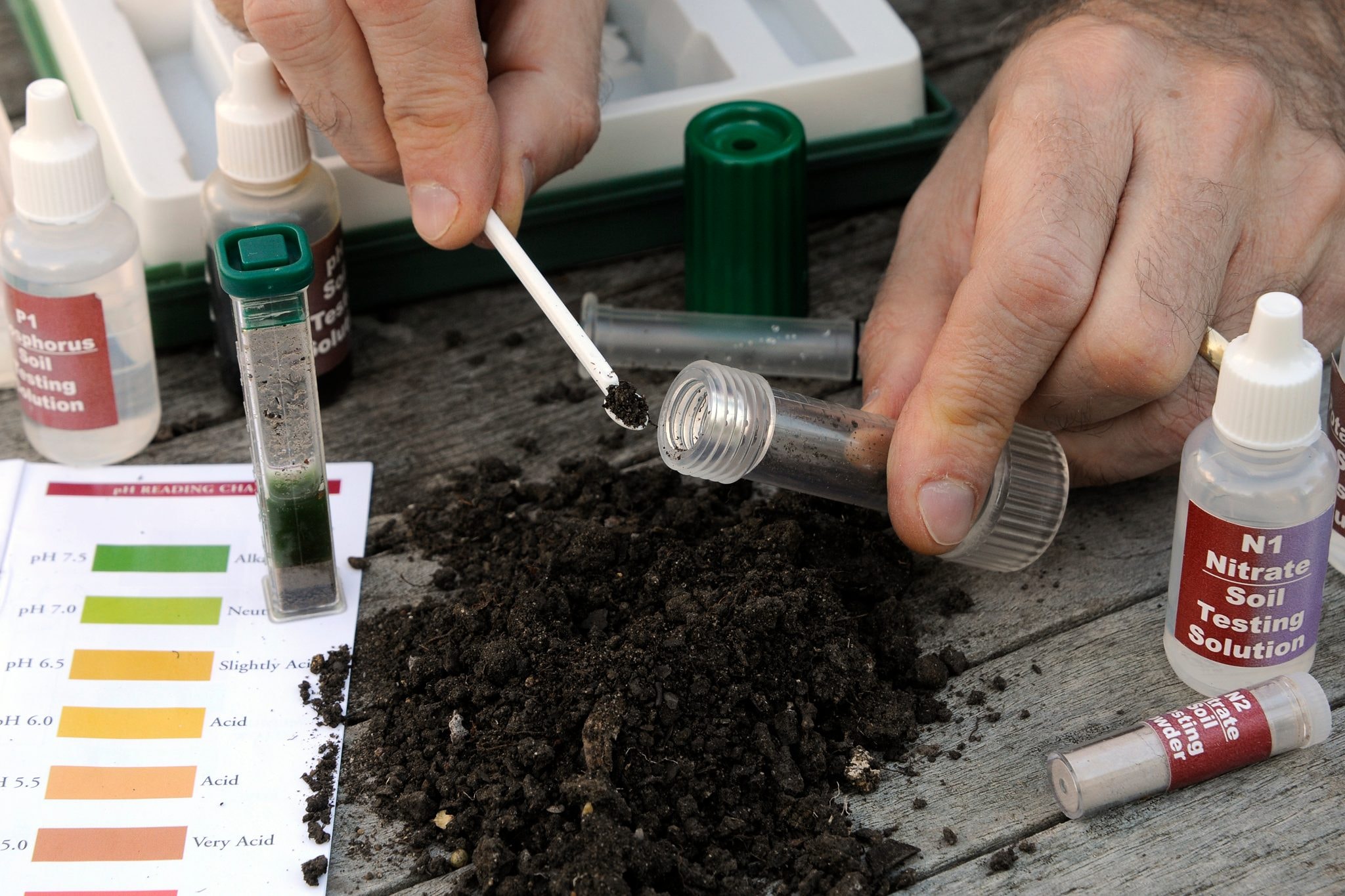
One effective way to gauge your soil’s quality is by performing a soil test. This involves analysing the pH levels, nutrient content and texture of the soil. A soil test provides valuable insights into what nutrients are deficient or excessive, allowing you to make informed decisions about amendments and treatments.
Additionally, keep an eye out for signs of poor soil quality. Compacted soil can restrict root development and water absorption, leading to sparse grass growth. Excessive moss or weeds can also indicate imbalances in soil health, such as high acidity or nutrient deficiency. By recognising these signs and conducting a soil test, you’ll be better equipped to create a thriving and resilient lawn.
Aerating the Lawn to Relieve Soil Compaction
Compacted soil poses a significant challenge for a healthy lawn, as it restricts the flow of water, air and nutrients to the grassroots. When soil becomes too dense, it inhibits root growth and can lead to poor grass health, making your lawn more susceptible to drought and diseases.
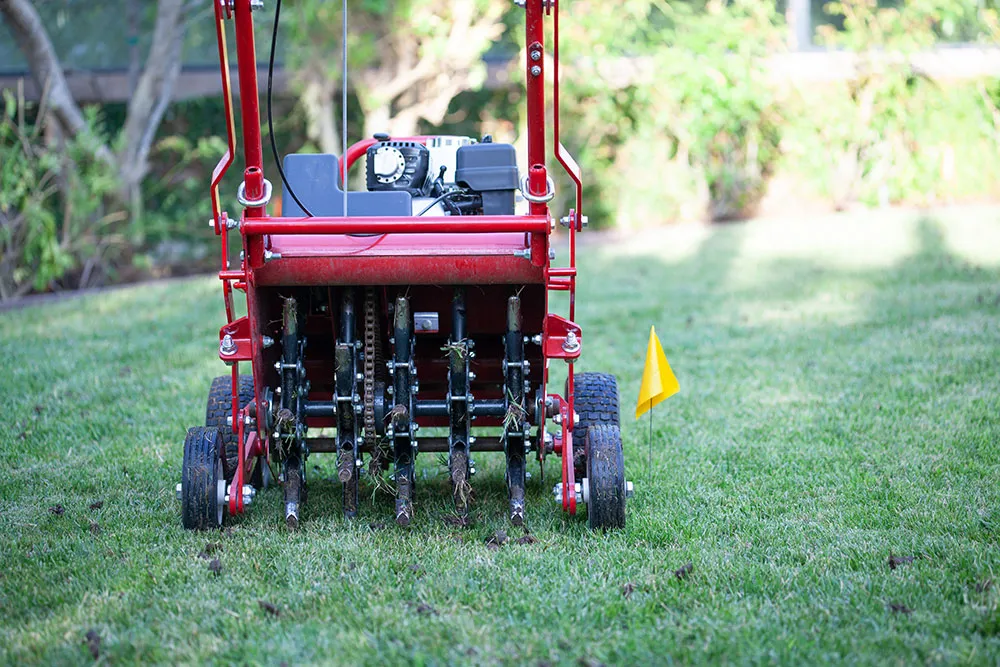
Lawn aeration is a highly effective method to combat soil compaction. This process involves removing small plugs of soil from the lawn, creating openings that allow air, water and nutrients to penetrate deeper into the ground. By creating more space for roots to expand, aeration fosters a more robust and vibrant lawn.
It’s generally recommended to aerate your lawn once or twice a year, especially if you have heavy clay soils or areas that experience high foot traffic. This routine will help maintain soil health and encourage a lush, resilient lawn that can withstand environmental stressors.
Top-Dressing with Organic Matter
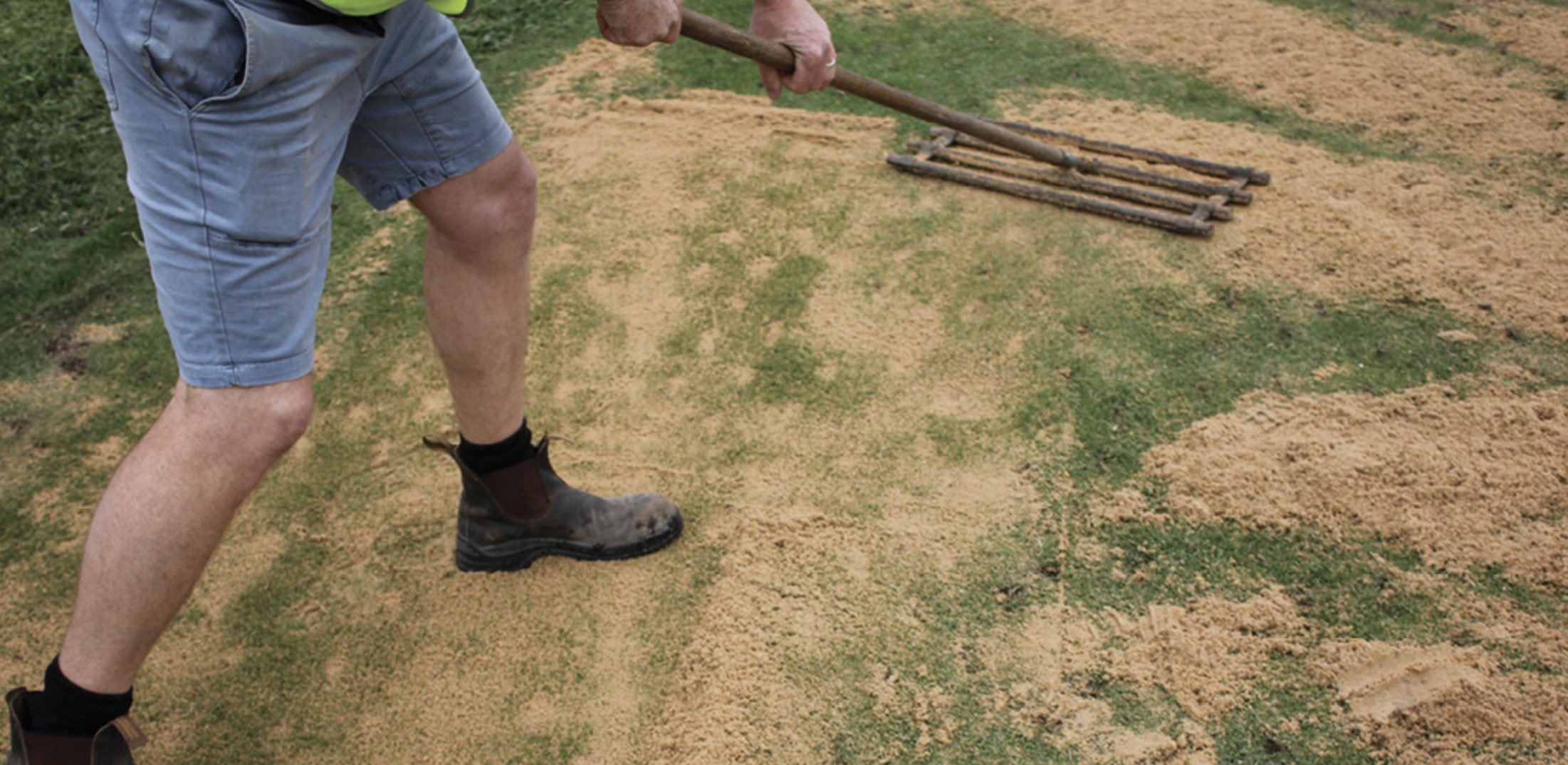
Top-dressing is the process of applying a thin layer of organic matter, such as compost or topsoil, over the lawn. This practice is beneficial for enhancing the overall health and quality of your soil, leading to a greener and more resilient lawn.
One of the primary advantages of top-dressing is its ability to improve soil structure. By adding organic matter, you create a healthier environment for grass roots, allowing better water retention and drainage. Additionally, top-dressing enriches the soil with essential nutrients that nourish your grass. It also helps to attract earthworms and beneficial microbes, which play a vital role in soil health by breaking down organic material and enhancing nutrient availability.
When choosing compost for top-dressing, look for a well-aged and finely screened product that is free from contaminants. Make sure it is rich in organic matter and has a balanced nutrient profile.
When applying it, use a spreader or rake to ensure an even distribution across the lawn. Aim for a thin layer, about ¼ to ½ inch thick, to avoid smothering the grass. By incorporating these practices, you can significantly boost your lawn’s health and vitality.
Incorporating Organic Fertilisers for Long-Term Soil Health
Organic fertilisers, such as manure, bone meal and fish emulsion, offer numerous benefits for maintaining and improving soil health. One of the primary advantages of these natural options is their slow nutrient release, which provides a steady supply of essential elements to grass over time. This slow release reduces the risk of nutrient leaching, ensuring that your lawn receives the nutrients it needs for sustained growth.
In addition to providing nutrients, organic fertilisers also contribute to enhancing soil structure. As they break down, they introduce organic matter into the soil, which helps improve aeration, water retention, and overall soil fertility. This process fosters a healthy soil ecosystem, encouraging the growth of beneficial microorganisms and earthworms that further enrich the soil.
When applying organic fertilisers, it’s essential to base your choices on soil test results and the specific needs of your lawn. Understanding your soil’s nutrient profile will help you select the right types and amounts of fertilisers to use, allowing for more effective and environmentally friendly lawn care. By incorporating organic fertilisers into your maintenance routine, you can promote long-term soil health and a thriving, resilient lawn.
Adjusting Soil pH for Optimal Grass Growth
Soil pH plays a crucial role in nutrient availability and the overall health of your grass. The pH level determines how well plants can absorb nutrients from the soil; if the pH is too low (acidic) or too high (alkaline), certain nutrients may become locked away, leading to deficiencies that can affect grass growth and vigour.
To adjust soil pH appropriately, you can apply lime to raise the pH in acidic soils or use sulphur to lower the pH in more alkaline soils. The specific amendment you’ll need should be determined based on your soil test results, which provide valuable information about the current pH level and the necessary adjustments.
For most lawns, the ideal pH range is between 6.0 and 7.0. Within this range, nutrients are typically most available, allowing your grass to thrive. Regularly testing your soil and making adjustments as needed will help ensure optimal growing conditions and promote a healthy, lush lawn.
Improving Soil Drainage
Good soil drainage is essential for maintaining a healthy lawn, as waterlogged soil can lead to serious damage to grass roots. When soil retains too much moisture, it prevents oxygen from reaching the roots, which can result in root rot and the decline of grass health. Proper drainage ensures that excess water can move away from the root zone, promoting a vibrant and resilient lawn. If you are experiencing poor drainage, there are several effective solutions you can consider.
- One option is to incorporate sand or fine gravel into the soil, which can help create more air pockets and improve the overall drainage capacity. Additionally, planting a mix of grass species can also enhance drainage; deeper-rooted varieties can create channels in the soil, allowing water to flow more freely.
- Another crucial method for improving soil drainage is enhancing soil structure by adding organic matter, such as compost. Organic matter helps break up compacted soil, increasing aeration and improving water movement through the soil profile. By implementing these strategies, you can significantly enhance drainage in your lawn and create a healthier environment for your grass to thrive.
Mulching Grass Clippings to Recycle Nutrients
Leaving grass clippings on the lawn, a practice known as mulching, is an excellent way to return valuable nutrients to the soil. Grass clippings contain essential nutrients such as nitrogen, phosphorus, and potassium, which can nourish your lawn as they decompose. This process not only reduces the need for additional fertilisers but also helps maintain a healthier lawn ecosystem. As clippings break down quickly, they add organic matter to the soil, which can improve soil texture and enhance fertility.
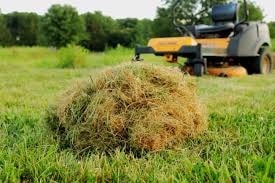
This increased organic content supports beneficial microorganisms and promotes better water retention, creating a more robust environment for the grass roots. It’s important to mulch regularly while ensuring that you avoid leaving large clumps of clippings on the lawn, as these can smother the grass and create bare patches.
A good rule of thumb is to keep clippings evenly distributed, so they can decompose effectively and enrich your lawn without causing any harm. By adopting this simple practice, you can promote a thriving lawn environment while making the most of your mowing efforts.
Encouraging Beneficial Soil Microorganisms
Soil microorganisms play a vital role in the health of your lawn by breaking down organic matter and releasing essential nutrients back into the soil. These tiny organisms, including bacteria and fungi, work tirelessly to decompose organic materials, transforming them into forms that are easily accessible for the grass roots.
Their activity not only improves nutrient availability but also enhances soil structure and promotes overall soil health. To foster a thriving community of beneficial microbes, it’s essential to avoid excessive use of chemical fertilisers and pesticides. These substances can disturb the delicate balance of soil life, harming the very organisms that contribute to a healthy lawn ecosystem.
Instead, focus on nurturing the soil through organic practices. Adding organic matter, such as compost or well-rotted manure, can significantly support microbial activity. This addition provides both nutrients and habitat for beneficial organisms, encouraging their growth and activity.
Additionally, maintaining balanced soil through practices like proper aeration, drainage, and pH adjustments will create an ideal environment for these vital microbes to flourish. By prioritising the health of your soil’s microbial community, you’ll help ensure a vibrant, resilient lawn for years to come.
Building and Maintaining Healthy Soil for a Thriving Lawn
Improving soil quality is essential for creating and maintaining a thriving lawn. Key steps in this process include testing the soil to understand its current state, aerating to relieve compaction, top-dressing with organic matter to enhance nutrients and structure, and adjusting the pH as needed to optimise nutrient availability. Each of these practices plays a vital role in fostering a robust soil environment that supports healthy grass growth.
It’s important to adopt a long-term approach, as building healthy soil is not an overnight process. Consistency and patience are key; the benefits of your efforts will accumulate over time, leading to a resilient lawn that can better withstand environmental stressors.
The rewards of investing in your soil are clear: a healthier, greener lawn that requires less maintenance and is more sustainable in the long run. By prioritising soil health, you’ll not only enhance the beauty of your outdoor space but also contribute to the overall ecosystem, making your lawn a valuable and inviting part of your home.